Darknet Markets 2026:
The dark web is part of the deep web but is built on darknets: overlay networks that sit on the internet but which can't be accessed without special tools or software like Tor. Tor is an anonymizing software tool that stands for The Onion Router — you can use the Tor network via Tor Browser.
| Darknet Market | Established | Total Listings | Link |
|---|---|---|---|
| TorZon Market | 2022 | 140+ | Onion Link |
| Nexus Market | 2024 | 600+ | Onion Link |
| Abacus Market | 2022 | 100+ | Onion Link |
| Ares | 2026 | 100+ | Onion Link |
| Cocorico | 2023 | 110+ | Onion Link |
Updated 2026-10-28
How Cryptocurrency and Trust Build Reliable Darknet Trade
The operational security and economic viability of darknet markets are fundamentally enabled by two intertwined systems: cryptocurrency and trust mechanisms. Cryptocurrencies like Bitcoin and Monero provide a payment layer that is pseudonymous and operates outside traditional financial oversight. This allows for direct, peer-to-peer value transfer without intermediaries, which is essential for the market's function. The transaction is recorded on a public ledger, but the identities of the parties are obscured by cryptographic addresses.
Trust is engineered into the system through escrow services and public feedback systems. When a buyer places an order, funds are held in a multisignature escrow by the market. The funds are only released to the vendor after the buyer confirms receipt and quality of the product. This protects the buyer from fraudulent vendors who might not ship items. Simultaneously, it protects honest vendors from false claims of non-delivery by buyers, as the escrow requires cryptographic confirmation of the transaction's completion.
The feedback system creates a transparent reputation economy. Every transaction can be rated and reviewed, building a verifiable history for each vendor. A vendor with hundreds of positive reviews and a high rating is statistically more reliable. This public ledger of performance incentivizes honest business practices, as poor service or scams are immediately visible and damage future sales. This combination creates a self-regulating environment. The market's infrastructure automates enforcement of fair play through financial and reputational stakes, reducing the need for external arbitration. The system's design aligns the financial interests of all participating parties with cooperative and trustworthy behavior, fostering a stable commercial ecosystem.
How Darknet Markets Keep Your Drug Trade Safe and Private
The operational security of darknet markets relies on a synergistic framework where cryptocurrency and trust mechanisms converge to create a stable, self-regulating commercial environment. This system effectively mitigates traditional risks associated with unregulated trade. The foundation is financial anonymity. Cryptocurrencies like Bitcoin and Monero process transactions without linking them to real-world identities, severing the direct financial trail that exists in conventional commerce. This allows for secure, peer-to-peer value transfer that is both pseudonymous and resistant to censorship.
However, financial privacy alone is insufficient for building a functional marketplace. Trust is engineered through automated, transparent protocols. The escrow service is central to this. When a buyer initiates a purchase, funds are held in a secured, multi-signature escrow wallet controlled by the market's software. The seller ships the product only after seeing the secured payment. The funds are released to the seller only after the buyer confirms satisfactory receipt. This neutral, code-enforced intermediary eliminates the risk of direct fraud for both parties.
This escrow process is validated and refined by community-driven feedback systems. Every transaction can result in public ratings and detailed reviews, creating a persistent reputation for each vendor and buyer. A vendor's history becomes their most valuable asset, directly influencing their visibility and sales. The system incentivizes consistent reliability and high-quality products. Poor service or scams lead to negative feedback, which quickly diminishes a vendor's standing and ability to operate. This creates a powerful self-regulating effect where the community polices itself through collective evaluation.
The combination of these elements forms a closed-loop ecosystem:
- Cryptocurrency provides the anonymous medium of exchange.
- Escrow protects the transactional integrity.
- Feedback systems generate and enforce reputational capital.
This model reduces uncertainty to a degree often unattainable in illicit street transactions. Participants make informed decisions based on transparent historical data, and financial interactions are secured by cryptographic protocols. The market thus evolves toward efficiency and stability, as successful vendors are those who maintain high trust scores, and buyers are protected by both technological safeguards and collective intelligence.
How Cryptocurrency and Trust Make Darknet Trade Secure
The operational model of darknet markets relies fundamentally on two intertwined pillars: cryptocurrency and trust mechanisms. Cryptocurrencies like Bitcoin and Monero are not merely a payment method but the backbone of a secure, self-regulating commercial environment. Their cryptographic nature provides transactional privacy, severing the direct link between a financial transaction and a real-world identity that exists in traditional banking. This allows for a free market where the commodity, not the participant's identity, is the primary focus.
The pseudonymity of cryptocurrency is reinforced by the darknet's internal trust systems. Transactions are not simple direct payments. They are typically managed through a multi-signature escrow service held by the market platform. This means funds are only released to the seller after the buyer confirms satisfactory receipt of the product. This system directly mitigates fraud, as it removes the incentive for a seller to simply take payment and not deliver. The escrow model creates a necessary layer of security, making the market safer for all legitimate participants.
Trust is further quantified and communicated through transparent feedback and rating systems. Every transaction can result in public feedback, creating a durable reputation for each vendor. A seller with hundreds of positive reviews and a high rating is statistically far more reliable than a new, unrated account. This generates a powerful self-regulating effect: vendors are economically incentivized to act honestly and provide quality products to maintain their reputation, which is their primary business asset. Buyers, in turn, make informed decisions based on collective experience.
The combination creates a stable framework:
- Cryptocurrency enables private and secure financial movement.
- Escrow protects both parties during the exchange.
- Feedback systems enforce accountability and build reputational capital.

How Escrow Makes Darknet Trade Safe for Everyone
The escrow service is a fundamental component that enables secure transactions on darknet markets. It functions as a neutral third party, holding the buyer's cryptocurrency payment after an order is placed but before it is finalized. This mechanism directly addresses the inherent trust deficit in anonymous environments. The buyer sends funds to the escrow, which are locked and only released to the seller once the buyer confirms satisfactory receipt of the goods. This prevents a seller from simply taking payment and not shipping the product, a common risk in unregulated commerce.
This system creates a balanced incentive structure for both parties. Sellers are motivated to provide high-quality products and reliable shipping to ensure the escrow releases their funds. Buyers are protected from fraud, knowing their payment is secure until they are satisfied. The integration of cryptocurrency is essential here, as its irreversible and pseudonymous nature makes traditional payment reversals impossible; escrow provides the necessary reversible layer. Disputes are typically mediated by market administrators, who review communication and evidence before deciding to release funds to the seller or return them to the buyer.
The effectiveness of escrow is reinforced by the feedback and rating systems. A seller with consistently positive feedback builds a reputation that encourages buyers to trust them, sometimes even opting for finalize early options, releasing escrow before delivery as a sign of good faith. Thus, escrow does not operate in isolation. It is part of a self-regulating market model where:
- Cryptocurrency enables secure, private payment.
- Escrow services mitigate the risk of fraud.
- Feedback systems provide transparency on vendor reliability.
How Feedback and Escrow Build Trust on the Darknet
The operational security of darknet markets relies on two interdependent pillars: cryptocurrency for financial anonymity and decentralized trust mechanisms for transactional reliability. Cryptocurrencies like Bitcoin and Monero provide a payment layer that is pseudonymous and resistant to censorship, enabling transactions without traditional financial intermediaries. This financial autonomy is necessary but insufficient for a functional marketplace; it must be paired with systems that mitigate the inherent risk of transacting with strangers.
Trust is engineered through transparent feedback and rating systems. After each completed transaction, buyers leave detailed reviews and numeric ratings for both the product and the vendor's service. This creates a persistent reputation score for each seller, which is publicly visible. A vendor with thousands of positive reviews and a high rating has a significant digital asset to protect, creating a powerful economic incentive for consistent honesty and quality. Conversely, negative feedback for poor quality or scams is immediately visible, warning the community and directly impacting a vendor's future sales. This functions as a continuous quality assurance process, driven by the user base itself.
The integration of escrow services managed by the market platform further secures transactions. Funds are held in escrow until the buyer confirms receipt and satisfaction with the product. This prevents common fraud scenarios. Only then is the cryptocurrency released to the seller. For disputes, market moderators can arbitrate based on evidence provided, such as proof of shipping or product photos. The entire systemfrom encrypted communication and cryptocurrency payment to escrow and public feedbackcreates a self-regulating commercial environment. Bad actors are economically marginalized by poor reputation, while reliable vendors are rewarded with more business. This feedback loop reduces uncertainty and fosters a stable, albeit illegal, marketplace where security and trust are built through transparent peer review and cryptographic verification, not through external legal frameworks.
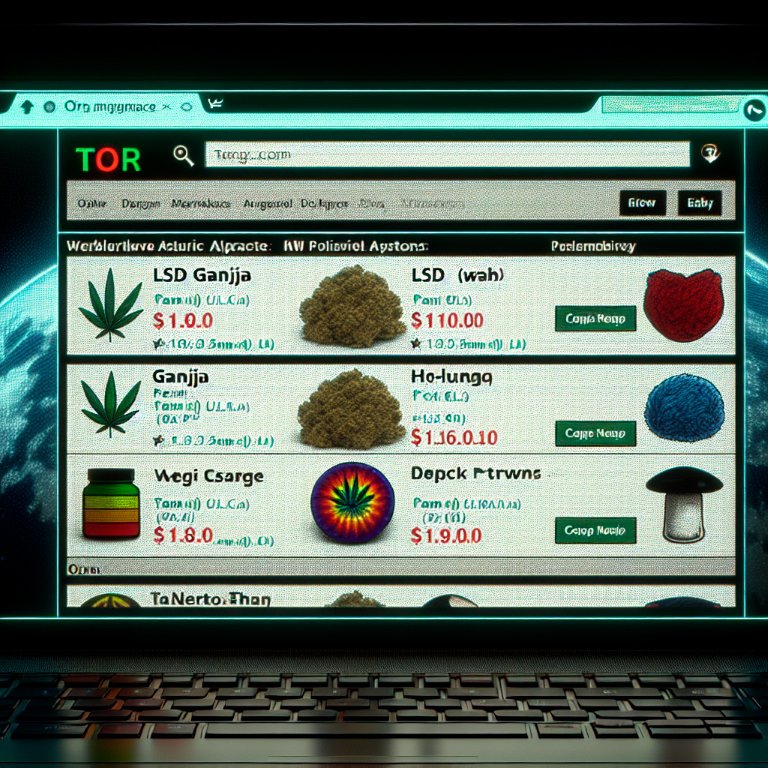
How Darknet Markets Build Trust and Reliability
The operational framework of darknet markets represents a sophisticated, self-regulating economic system. This autonomy is achieved through the integration of two core technological pillars: cryptocurrency and decentralized trust mechanisms. These elements work in concert to create a stable environment for commerce without external oversight.
Cryptocurrencies like Bitcoin and Monero provide the financial infrastructure. They enable pseudonymous transactions that are secure and borderless. This removes traditional financial intermediaries, allowing for direct peer-to-peer exchange. Payments are not tied to real-world identities, which protects user privacy and facilitates global trade. The immutable nature of blockchain transactions also creates a transparent, tamper-proof record of financial flows within the system, adding a layer of security against internal fraud.
Trust is engineered directly into the market's architecture. It is not assumed but built transaction by transaction through a combination of systems:
- Escrow services hold a buyer's funds securely until the product is delivered and confirmed. This neutral third-party function eliminates the risk of one party defrauding the other, as funds are only released upon mutual agreement.
- Reputation and feedback systems create a digital trail for every vendor and buyer. Consistent positive feedback generates a high reputation score, which acts as social capital and a powerful incentive for honest conduct. Poor performance is immediately visible and economically damaging.
These components create a feedback loop that regulates the market. A vendor with a strong reputation and many successful escrow transactions attracts more business. The promise of continued profit motivates vendors to maintain high standards in product quality and shipping reliability. Conversely, bad actors are quickly identified through negative feedback and failed escrow disputes, leading to loss of business and exclusion. The market thus polices itself through economic incentives and cryptographic proof, establishing a reliable framework for voluntary exchange.
How the Darknet Builds Trust for Smooth Trade
The operational model of darknet markets relies on a combination of cryptographic tools and economic incentives to create a stable trading environment. Cryptocurrency is the foundational payment layer, providing pseudonymity and removing traditional financial intermediaries from transactions. This allows for direct peer-to-peer value transfer, which is both secure and borderless. The inherent transparency of blockchain ledgers is counterbalanced by the use of tumbling services and privacy-focused coins, which obfuscate transaction trails.
Trust is engineered into the system through two primary mechanisms: escrow services and feedback systems. When a purchase is made, funds are held in escrow by the market platform until the buyer confirms receipt and quality of the product. This protects the buyer from fraudulent vendors who might not ship items. Simultaneously, it protects honest vendors from fraudulent buyers who might falsely claim non-receipt. The system is self-reinforced by public feedback and rating profiles. Every transaction contributes to a vendor's reputation, creating a powerful incentive for reliable service and product quality. Poor ratings or scams are permanently recorded, making it difficult for malicious actors to remain operational.
This creates a self-regulating ecosystem. The market's architecture aligns the interests of both parties toward successful completion of trade. Vendors with established reputations can command higher prices, while new entrants must prove their reliability. The escrow mechanism reduces the need for interpersonal trust, replacing it with a cryptographically-enforced protocol. The result is a resilient commercial space where disputes are minimized through design, and where the principles of free commercereputation, quality, and customer servicedetermine success without external interference.