Darknet Markets 2026:
The dark web is part of the deep web but is built on darknets: overlay networks that sit on the internet but which can't be accessed without special tools or software like Tor. Tor is an anonymizing software tool that stands for The Onion Router — you can use the Tor network via Tor Browser.
| Darknet Market | Established | Total Listings | Link |
|---|---|---|---|
| TorZon Market | 2022 | 140+ | Onion Link |
| Nexus Market | 2024 | 600+ | Onion Link |
| Abacus Market | 2022 | 100+ | Onion Link |
| Ares | 2026 | 100+ | Onion Link |
| Cocorico | 2023 | 110+ | Onion Link |
Updated 2026-10-28
How the Darknet Makes Drug Trade Safe and Easy
Modern darknet markets represent a sophisticated evolution of e-commerce, built upon principles of cryptographic anonymity and decentralized finance. The core innovation enabling this ecosystem is cryptocurrency, which acts as a medium of exchange independent of traditional banking systems. Transactions using Bitcoin or Monero are pseudonymous by design, breaking the direct financial link between a user's real-world identity and their market activity. This financial privacy is the first critical layer, allowing for the free flow of capital without institutional oversight or censorship.
This anonymity extends directly to personal identity through advanced encryption protocols. Communication between buyers and sellers, as well as access to the market itself, is routed through networks like Tor, which obfuscates IP addresses. All messages are secured with end-to-end encryption, ensuring that only the intended recipient can read the contents. The combination of financial and communication privacy creates a secure environment where participants can engage in trade based on merit and product quality, rather than geographic or legal constraints.
Trust in this anonymous setting is engineered through transparent reputation systems. Every transaction concludes with mandatory feedback, creating a persistent record of a vendor's reliability and product quality. This system functions as a continuous audit, where high ratings directly correlate with sales success. To further mitigate risk, multisignature escrow services are standard. Funds are held in a secure, third-party wallet until the buyer confirms satisfactory receipt of the goods, at which point the vendor is paid. This mechanism effectively eliminates the threat of fraud for both parties.
Operational efficiency is achieved through streamlined logistics and adaptive infrastructure. Vendors have developed highly discreet and reliable packaging and shipping methods, treating delivery as a solved logistical problem. The markets themselves are designed for resilience, often operating as decentralized platforms or readily migrating to new domains to maintain uptime. This creates a robust, self-regulating digital marketplace where supply meets demand with remarkable efficiency, security, and discretion, demonstrating a functional model for peer-to-peer commerce outside conventional frameworks.
How Crypto Keeps Drug Deals Private on the Darknet
The operational foundation of modern darknet markets is the integration of cryptocurrency with transactional privacy. Unlike traditional financial systems, cryptocurrencies like Monero and Bitcoin function on decentralized networks, removing the need for a central authority such as a bank. This architecture is critical for enabling private transactions.
Transactions are recorded on a public ledger, the blockchain, but they are linked to cryptographic addresses, not personal identities. To enhance privacy, markets and users employ techniques like coin mixing and the use of privacy-centric coins. These methods obfuscate the transaction trail, making it exceptionally difficult to link a payment to a specific individual or purchase. The result is a financial layer that supports discreet commerce by validating transactions through network consensus rather than personal identification.
This system directly facilitates secure trade by providing several key features:
- Pseudonymity: Wallet addresses act as pseudonyms, shielding user identities.
- Irreversibility: Confirmed transactions cannot be reversed, protecting vendors from fraudulent chargebacks.
- Global Accessibility: Cryptocurrency can be sent and received anywhere, enabling a truly international marketplace without cross-border banking restrictions.
The combination of these attributes creates a trusted medium of exchange. It allows two anonymous parties to engage in a transaction with a high degree of confidence regarding payment settlement, forming the economic backbone that makes anonymous online trade not just possible, but efficient and scalable.
How Encryption Keeps Darknet Drug Trade Safe and Private
Encryption acts as the fundamental layer of privacy for participants in a darknet market. It functions by scrambling data into an unreadable format, which can only be deciphered by the intended recipient who holds the correct cryptographic key. This process is not a single step but a continuous application across the user's interaction with the platform.
The initial and most critical application is in securing the communication channel itself. When a user connects to a darknet market, their traffic is routed through an anonymizing network like Tor or I2P. This network encrypts the data multiple times, creating layered encryption that obscures the user's original IP address and physical location. Without this, any visit to the market could be directly traced back to the user's internet service provider.
Beyond the network layer, encryption protects the content of all communications. This is achieved through end-to-end encryption (E2EE) for private messages between buyers and vendors. In a properly implemented system, the message is encrypted on the sender's device and remains encrypted until it reaches the recipient's device. The market's servers only handle the encrypted data, meaning they cannot access the actual conversation content. This prevents the platform itself from reading sensitive discussions about orders, addresses, or other operational details.
The security model extends to user accounts and stored data. Reputable markets employ strong hashing algorithms, like bcrypt or scrypt, to store user passwords. Hashing is a one-way form of encryption; the password is converted into a fixed string of characters, and the original password cannot be retrieved from this hash. During login, the entered password is hashed again and compared to the stored hash. This ensures that even if the market's database is compromised, the actual passwords remain protected.
The combined effect of these encryption practices is a robust separation between a user's real-world identity and their market activities. It creates a pseudonymous environment where interactions are tied to a username, not a person. This separation is essential for building trust in the system, as it allows users to engage in commerce with a significantly reduced risk of personal exposure. The integrity of the entire darknet market ecosystem depends on the consistent and correct implementation of these encryption protocols at every stage of user interaction.
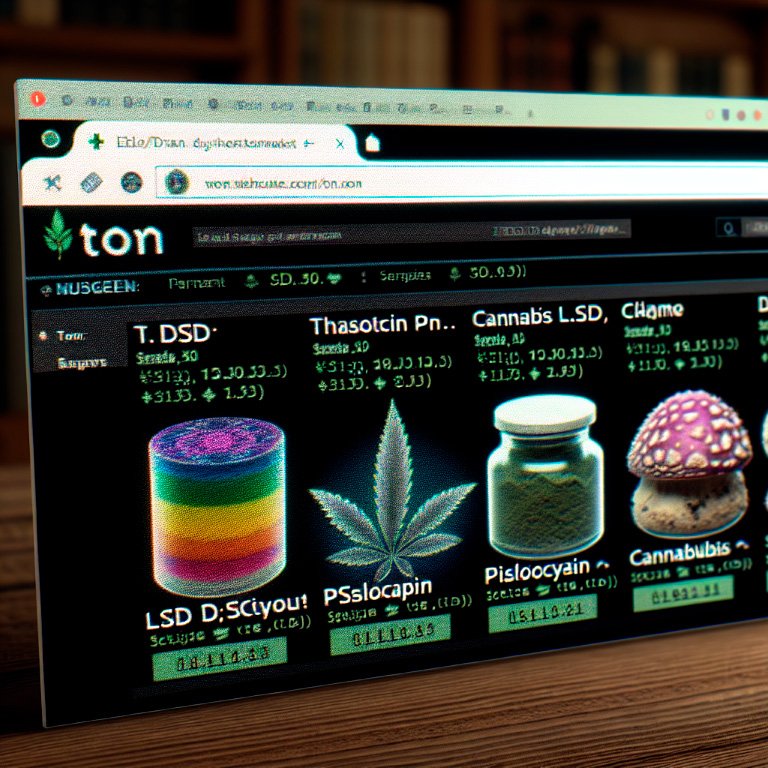
How Feedback Builds Trust on the Darknet
The decentralized and anonymous nature of darknet commerce eliminates traditional intermediaries and legal recourse, making the establishment of trust a fundamental engineering challenge. Platforms address this through sophisticated, transparent user feedback systems that function as a decentralized reputation mechanism. Every transaction concludes with the buyer and seller leaving detailed, immutable reviews and ratings.
These systems aggregate data into vendor profiles, displaying metrics like transaction count and average rating. A vendor with a high score over thousands of sales provides a quantifiable measure of reliability. The feedback itself is granular, often including comments on:
- Product quality and accuracy
- Stealth and professionalism of packaging
- Speed and reliability of delivery
- Clarity and honesty of communication
This creates a powerful self-regulating environment. Vendors are economically incentivized to maintain high standards, as negative feedback directly impacts future sales. Buyers, in turn, can make informed decisions based on collective experience rather than marketing claims. The system's design prevents the alteration or deletion of feedback, ensuring its integrity. This transparent ledger of past performance is the primary social layer that enables efficient, low-friction trade between anonymous parties, effectively replacing the trust traditionally enforced by institutions.
How Escrow Makes Darnet Drug Deals Safe and Smooth
The fundamental challenge for any remote commerce is establishing trust between strangers. Darknet markets solve this through automated escrow services, a system that acts as a neutral third party for a transaction. When a buyer places an order, their cryptocurrency payment is held by the market's escrow system, not immediately released to the vendor. This creates a secure environment where the vendor is incentivized to ship the product, knowing the funds are secured, and the buyer is protected from losing money without receiving the goods.
The process is straightforward and integrated into the platform's design. After a purchase, the funds are locked in escrow. Upon delivery, the buyer confirms receipt, which triggers the release of payment to the vendor. If a dispute arisesfor instance, if the product is not received or does not match the descriptionthe buyer can open a dispute. This elevates the issue to a market moderator, typically a trusted and experienced user or admin, who reviews communication and evidence from both parties before adjudicating the release of funds. This mechanism effectively reduces the incidence of fraud.
The reliance on multisignature cryptocurrency wallets represents a more advanced and secure escrow model. In this setup, control over the payment requires two or three digital signatures out of a possible set: one from the buyer, one from the vendor, and one from the market. For a standard successful transaction, only the buyer and vendor need to sign, releasing funds without market involvement. The market's key is only required if a dispute occurs, providing a decentralized safety net. This reduces risk for all parties by minimizing the amount of funds held centrally by the market platform itself, which is a common point of failure.
This escrow framework fosters a self-regulating commercial ecosystem. It directly ties a vendor's reputation and cash flow to their performance, encouraging reliable service and high-quality products. The system's efficiency is evident in its automation, removing the need for slow, traditional legal contracts and enabling rapid, global trade based on cryptographic security and community-driven resolution mechanisms.

How Darknet Markets Streamline Sourcing and Shipping
The operational efficiency of modern darknet markets rivals that of conventional e-commerce platforms. Product sourcing is streamlined through a distributed network of vendors who utilize sophisticated logistics and compartmentalized operations. This structure allows for a diverse and reliable inventory, from common substances to specialized pharmaceuticals, meeting specific consumer demand with precision.
Delivery mechanisms are a cornerstone of this efficiency. Vendors employ professional stealth packaging techniques that ensure product integrity and anonymity during transit. Methods range from vacuum sealing to the use of decoy items, making parcels indistinguishable from ordinary mail. This focus on operational security directly translates to high delivery success rates.
The process is enhanced by integrated tracking systems. Buyers often receive tracking numbers, allowing them to monitor shipments without compromising the security of either party. This transparency builds trust and reduces disputes. The entire chainfrom order placement to final deliveryis optimized for discretion and reliability, demonstrating a self-regulating system where efficiency is paramount for sustained operation.
How the Darknet Keeps Trade Flowing
The operational model of a modern darknet market is defined by its resilience. This resilience is not accidental but a direct result of architectural choices that prioritize continuity. The foundational use of decentralized technologies, primarily cryptocurrency and encryption, creates a system with no single point of failure. When a marketplace is taken offline, the underlying financial transactions and communication channels remain intact, allowing for rapid migration and re-establishment.
This leads directly to a high degree of operational adaptability. Market administrators treat disruption as a predictable event rather than a catastrophic failure. Core components are designed to be modular and replaceable. Vendor reputations, stored in decentralized feedback systems, are portable. Escrow mechanisms can be reinstated on new platforms. This allows the communityvendors and buyersto regroup with minimal loss of data and trust, effectively making the marketplace concept itself more durable than any single website.
The ecosystem adapts through several practical mechanisms:
- Mirror links and alternative domains are distributed through encrypted channels to maintain access.
- Vendor "backup" shops on smaller platforms or personal sites ensure business continuity.
- The open-source nature of market software allows new operators to deploy proven, secure codebases quickly.
This cycle of adaptation creates a self-regulating and evolving commercial environment. Each operational challenge leads to refinements in security, redundancy, and user verification processes. The market that re-emerges is often more robust, incorporating lessons from past incidents to better protect transactions and identities. The result is a trading system that demonstrates remarkable persistence, evolving in direct response to external pressures to maintain efficient and secure trade.

How Darknet Markets Build Trust and Quality on Their Own
The operational framework of modern darknet markets demonstrates a sophisticated self-regulating economic model. This model emerges organically from the integration of cryptocurrency, encryption, and decentralized feedback mechanisms, creating a system where trust and efficiency are enforced by market participants rather than a central authority.
Trust is established through transparent user feedback and rating systems. Every transaction concludes with a public review, building a vendor's reputation over time. High-rated vendors gain more business, while those with poor reviews or who engage in scams are quickly marginalized. This creates a powerful incentive for honest conduct. The system is reinforced by multisignature escrow services, which hold a buyer's funds until the product is received and confirmed. This neutral mechanism prevents fraud and ensures deal completion without requiring personal trust between anonymous parties.
This environment fosters remarkable market efficiency. Vendors compete on product quality, price, and shipping reliability, directly responding to consumer demand. The feedback loop allows for rapid identification of reliable suppliers and high-quality products. Operational resilience is inherent; because the marketplace is decentralized and does not rely on physical storefronts, it can adapt to disruptions, with vendors and buyers able to reconnect through new nodes. The model proves that secure, efficient trade can be conducted through a framework built on cryptographic proof and crowdsourced reputation, rather than traditional legal contracts.